Home Inspections in St. Clair Shores Michigan
| Home Inspections in St. Clair Shores, Michigan |

Hello, I am Matt Fletcher Matt Fletcher Home Inspections LLC. We perform home and commercial inspections all over the St. Clair Shores area. Call 313 510 0284 InspectDetroit313@gmail.com

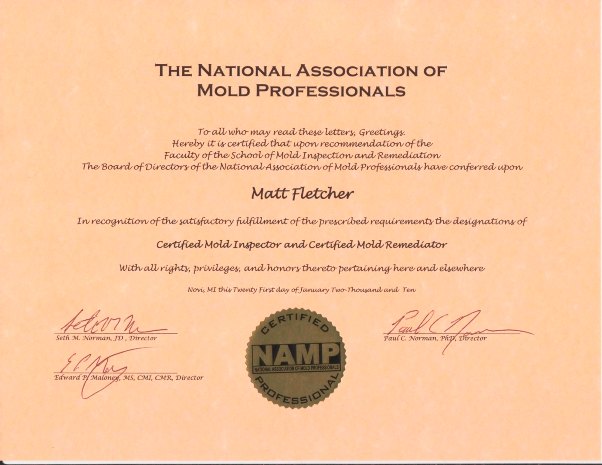
Before becoming a full-time inspector, I was a state certified construction teacher, and taught construction trades to high school students in a class where we built a real house. I now own Matt Fletcher Home Inspections LLC. I am also a licensed builder, Certified Mold Inspector & Remediator, certified in radon measurement, certified in Lead Inspection, and certified in Attic ventilation.


Call 313 510 0284 InspectDetroit313@gmail.com

Many homes in St. Clair Shores and Harrison Twp. are on the water and built on crawlspaces. Crawlspaces should be entered and inspected if there is adequate access.
In the picture, I was able to push a screwdriver through a joist. The wood was rotten as well as having insect damage and mold. The clay soil in Macomb County doesn’t drain well resulting in more moisture in crawlspaces. Very high humidity levels in the crawlspace as well as occasional flooding can cause this type of damage.
My 2005 promotional video
Our Rates for single-family St. Clair Shores homes are as follows:
0,000 Sq Ft – 1,500 = $ 425.00
1,501 Sq Ft – 2,000 = $ 450.00
2,001 Sq Ft – 3,000 = $ 500.00
3,001 Sq Ft – 4,000 = $ 550.00
4,001 Sq Ft – 5,000 = $ 600.00
5,001 Sq Ft – 6,000 = $ 700.00
We have a sewer camera and can scope your sewer line for an additional $150. Sewer scopes are $150 during the time of the inspection, $275 as a standalone inspection. Testing for radon is generally $175 to $250. Call 313 510 0284 InspectDetroit313@gmail.com
What is included in a St. Clair Shores home inspection?
A home inspection typically includes a thorough evaluation of various aspects of a residential property to assess its condition and identify any potential issues. Here are the key components included in a standard home inspection:
1. Exterior Examination
- Roof: Condition of shingles, flashing, gutters, and downspouts.
- Siding: Inspection of materials for damage or rot.
- Foundation: Checking visible portions for cracks and signs of settling or water intrusion.
- Windows and Doors: Sealing, function, and any evidence of leaks.
2. Interior Evaluation
- Walls, Ceilings, and Floors: Checking for cracks, stains, or signs of water damage.
- Basement and Crawl Spaces: Assessing for moisture, cracks, and overall condition.
- Attic: Inspecting insulation, ventilation, and any signs of pests living in the attic.
3. Systems Assessment
- Electrical System: Evaluating wiring, service panel, outlets, and light fixtures for safety. St. Clair Shores Michigan has an older housing stock and some of the wiring may be outdated.
- Plumbing System: Inspecting pipes, faucets, toilets, and water heaters for leaks and functionality. Many homes in St. Clair Shores are older. The average life of a sewer line is about 80-100 years and are very expensive to replace. Sewer lines in St. Clair Shores are prone to root intrusion and must be maintained. We have a sewer camera and can inspect the sewer during the home inspection.
- Heating and Cooling Systems: Checking HVAC units, thermostats, and ductwork.
4. Appliances
- Inspecting built-in appliances such as ovens, dishwashers, and refrigerators for operation and safety. Appliances like microwaves or washing machines often have many settings, we test just one setting during the inspection.
5. Safety Features
- Evaluating smoke detectors, carbon monoxide detectors, and fire extinguishers for functionality.
6. Additional Elements
- Assessing any pools, spas, decks, and outdoor structures for safety and condition.
- Inspecting fencing and landscaping for maintenance needs.
A home inspection aims to provide a detailed report on the property’s condition, which can inform potential buyers about necessary repairs and help sellers prepare their homes for sale.
Common Issues With St. Clair Shores Home Inspections

In the picture, one of my students and I are installing a drainage system in one of the houses we built in Macomb County.
Because St. Clair Shores is on the water, the water table in the soil is higher than other places.
There is almost always a drainage system under a house to carry water away from the basement or crawlspace. St. Clair Shores homes built back in the early 1900s have clay tile drains under the basement floor. These drain tiles collect ground water and drain it away from the foundation. However, over time all drainage systems will fail. They fill with roots, minerals and soil which plugs the system. If there is access to the drainage system either through the sump pit or clean-out caps, the system can be hydro-jetted to remove debris and restore flow.

When we inspect a St. Clair Shores building we do a visual assessment for mold. However, mold testing is not part of a standard inspection. We have done environmental testing in homes and commercial buildings all over the Detroit area. Mold is a natural part of the environment and EVERY building we have tested, has contained mold. Typical molds in normal amounts are generally not harmful to healthy people and are not a concern.
We restrict our mold business to testing only. We do not do any sort of mold remediation, removal or clean-up. Since we only do testing, there is no conflict of interest, and we have no reason to try and scare customers into expensive clean-ups which they may not even need.

Outdoor St. Clair Shores area mold testing reveals that mold levels are typical to the mid-west. The mold inside your building should equal to or less than the outdoor levels.
In the photo at left I am taking a sample of the air for mold in a hundred-year-old building in the St. Clair Shores area. Ideally, the mold spore count will be in the hundreds, not in the thousands. When you can see large amounts of mold on surfaces as seen in the photo, the mold spore count will generally be in the tens or hundreds of thousands. We also test buildings for radon gas. The St. Clair Shores area generally has low radon levels but does have pockets of radon gas. Radon is the number two cause of lung cancer in the United States. Call 313 510 0284 InspectDetroit313@gmail.com
What Home Inspectors Find In St. Clair Shores Basements
Video of St. Clair Shores Foundation.

Moisture issues in St. Clair Shores basements can lead to a range of problems, including structural damage, mold growth, and poor indoor air quality. Here are some common causes and consequences of moisture in basements, along with potential solutions.
Common Causes of Moisture Issues
- High Humidity Levels
Basements are located underground, making them more susceptible to high humidity. This can be due to the natural moisture in the soil surrounding the foundation. St. Clair Shores Michigan has high levels of moisture and clay soils which can result in additional moisture in the basements. - Poor Drainage Systems: Inadequate gutters, downspouts, and drainage systems can cause water to accumulate near the foundation, leading to leaks and seepage into the basement.
- Cracked Foundations: Cracks in the foundation walls can provide pathways for water to enter the basement. These may develop due to settling, shifting soil, or other structural issues.
- Condensation: Warm air meeting cold surfaces (like concrete walls) can create condensation, which leads to water accumulation over time.
- Plumbing Leaks: Leaky pipes or fixtures within the basement can contribute to excess moisture, compounding existing problems.

St. Clair Shores Basement and Crawlspace Moisture Issues
- Mold and Mildew Growth
Excess moisture creates an ideal environment for mold and mildew, which can pose health risks and worsen air quality. - Structural Damage
Prolonged moisture exposure can weaken the structural integrity of your home, leading to expensive repairs. - Pest Infestations
Damp environments attract pests like termites and cockroaches, which can further damage your home. - Unpleasant Odors
Moisture can lead to musty odors in the basement that can permeate throughout the house.
Solutions to Address Moisture Issues
- Improve Drainage Ensure gutters and downspouts direct water away from the foundation. Consider installing a French drain or a sump pump for better water management.
- The Role of Drain Tiles in Protecting Your Foundation
- Drain tiles are perforated pipes installed around the perimeter of your home’s foundation. They collect and direct groundwater away from the structure, reducing hydrostatic pressure that could lead to cracks and leaks. Without properly functioning drain tiles, your home is at a higher risk of water infiltration and damage. Over several decades, drain tiles in the St. Clair Shores area can fail. This is because St. Clair Shores Michigan has clay soil.
- Signs of Drain Tile Failure. Over time, drain tiles can become damaged, clogged, or misaligned, compromising their efficiency. Watch for these common warning signs: Basement Water Pooling: Puddles or damp spots in your basement may indicate improper water diversion. Foundation Cracks: Increased water pressure can lead to cracks that grow over time. Mold and Mildew Growth: Excess moisture creates an ideal environment for mold, which poses health risks. Musty Odors: Persistent dampness often leads to unpleasant smells in your home.
- Seal Cracks and Gaps: Regularly inspect and repair any cracks in the foundation or walls to prevent water intrusion.
- Control Humidity: Use dehumidifiers to maintain optimal humidity levels (ideally between 30-50%). Ensure proper ventilation in the basement.
- Insulate Pipes: Insulate cold water pipes to reduce condensation and prevent moisture buildup.
- Regular Maintenance: Perform routine checks of plumbing and drainage systems to address issues before they become significant problems.
By understanding and addressing moisture issues in basements, homeowners can create a healthier, safer living environment while protecting their property from damage.
Environmental Issues In St. Clair Shores Home Inspections
Because St. Clair Shores has an older housing stock, environmental issues from the past can turn up during a home inspection. Environmental testing is not part of a standard home inspection, but a visual assessment is. Urea-formaldehyde foam insulation may be identified during an inspection so, let’s take a look its characteristics.
Urea-Formaldehyde Foam Insulation: An Overview
Urea-formaldehyde foam insulation (UFFI) is a type of insulation material that was widely used in residential and commercial buildings during the 1970s and early 1980s. This product was used all over the United States including St. Clair Shores. UFFI is made from a mixture of urea and formaldehyde, which, when combined, create a foam that can be injected into walls and ceilings. UFFI is known for its thermal insulating properties, as it can significantly reduce heat transfer, thereby enhancing energy efficiency in buildings. However, its use has also been associated with certain health and environmental concerns.
Chemical Composition and Properties
The primary components of UFFI are urea, an organic compound, and formaldehyde, a colorless gas that is released during combustion and as a byproduct of various industrial processes. When combined, these materials undergo a chemical reaction that produces a lightweight, rigid foam. The foam is excellent at filling gaps and spaces, creating a barrier that effectively inhibits air movement and heat loss within structures.
One of the key properties of UFFI is its high R-value, which measures the effectiveness of insulation. The higher the R-value, the better the material’s insulating capacity. UFFI has an R-value ranging from 3.6 to 4.0 per inch, making it an efficient choice for thermal insulation. This characteristic promotes energy conservation, which is particularly beneficial in regions with extreme weather conditions.
Application and Installation
UFFI is typically installed by injecting the foam into wall cavities, attics, and other void spaces in a building. This process often involves drilling small holes in walls and using specialized equipment to inject the foam. The substance then expands and hardens, creating an effective thermal barrier against heat loss.
While the installation process is relatively straightforward, it does require trained professionals to ensure proper application. If not installed correctly, UFFI can create air pockets that may lead to reduced insulation effectiveness and moisture problems, which can compromise the integrity of a structure.
Health and Environmental Concerns
Urea-formaldehyde (UF) outgassing is the process where UF resins slowly release formaldehyde gas into the surrounding air. This is a common issue with products made with UF, such as wood composite materials like particleboard and MDF, and is accelerated by heat and humidity. The process continues after a product is manufactured and can last for months or even years, though levels typically decrease over time. The highest emissions typically occurring in the first few weeks to months.
Off-gassing timeline and factors
- Initial period: The highest concentration of formaldehyde gas is released during the first few weeks and months after the product is manufactured.
- After the first year: Emissions decrease very dramatically, with levels dropping by approximately 50% in the first year and reaching background levels similar to older homes after about 24 months.
- Continued emission: Despite the decrease, some products can continue to emit small amounts of gas for 10 years or longer, especially under certain conditions.
- Environmental factors: Higher temperatures and humidity levels often accelerate the release of formaldehyde, making the off-gassing odor stronger in the summer or in under ventilated, damp areas.
Despite its insulating properties, UFFI has faced intense scrutiny over health and environmental concerns. The primary issue relates to the formaldehyde content in the foam. Formaldehyde is classified as a volatile organic compound (VOC) and is associated with various health risks, including respiratory issues, eye irritation, and, in high concentrations, potential carcinogenic effects. Following widespread reports of health problems linked to UFFI, the material’s popularity declined substantially.
In response to these concerns, several regulatory agencies, including the U.S. Environmental Protection Agency (EPA), have set guidelines for the use of formaldehyde in building materials. Homeowners and building professionals are encouraged to seek alternatives that minimize formaldehyde exposure, such as cellulose insulation or fiberglass insulation, which do not have the same health risks associated with UFFI.
Conclusion
In the past, UFFI was used in colder areas of the country like St. Clair Shores Michigan. Older Urea-formaldehyde foam insulation played a significant role in the evolution of building insulation materials by offering effective thermal protection and energy efficiency. However, its health and safety implications have led to increased scrutiny and a decline in its use. While it demonstrated the potential for reducing energy costs, the emphasis on safer alternatives has reshaped the insulation industry. As building codes evolve and awareness of environmental health grows, the focus remains on developing insulation solutions that are not only effective but also safe for inhabitants and the environment. The legacy of UFFI serves as a reminder of the importance of balancing performance with health considerations in building materials.
Radon Levels In St. Clair Shores Michigan
Radon risk in St. Clair Shores Michigan. Testing for radon is not part of a standard home inspection.
- EPA Zone: St. Clair Shores is located in Macomb County, which is a Radon Zone 3. This indicates a low risk of elevated indoor radon levels, with average levels predicted to be less than
2 pCi/L.
- Local variation: Despite the low-risk designation, radon levels can vary significantly from one home to another, even within the same neighborhood.
- Testing is key: Because of this variation, it is crucial to test every home for radon, regardless of its location.
What to do if you have high radon levels in your St. Clair Shores home?
- Testing: You can purchase a home testing kit or hire a professional to measure radon levels in your home.
- Action level: The EPA recommends taking action to reduce radon levels if a reading is at or above
4 pCi/L4 pCi/L4 pCi/L.
- Mitigation: If levels are high, you can contact a professional for radon mitigation services.
Why you should care about radon
- Radon is invisible: It is a colorless, odorless radioactive gas that results from the natural breakdown of uranium in soil and rock.
- Health risk: Radon exposure is the second leading cause of lung cancer, and the leading cause for non-smokers.
- Time at home: You and your family are most likely to get your greatest radon exposure at home.
Lead Paint Risks in St. Clair Shores Homes
Lead paint testing is not part of a standard home inspection. Lead paint is a significant public health concern, particularly in homes built before the 1978 ban on its use in the United States. St. Clair Shores Michigan has an older housing stock with most homes being built before 1978. Lead, a toxic metal, can have severe health impacts, especially on young children and pregnant women. Despite regulations, lead paint remnants continue to pose a risk, making awareness and preventive measures crucial for safeguarding public health.
The Nature of Lead Paint
Lead paint was commonly used for its durability and ability to resist moisture. However, over time, lead paint can deteriorate, creating lead dust and chips that can be harmful when ingested or inhaled. The risks of lead exposure are especially pronounced in children, whose developing bodies can absorb lead more readily than adults. Even low levels of lead exposure can lead to serious health issues, including developmental delays, learning difficulties, and behavioral problems.
Health Risks Associated with Lead Exposure
The health risks posed by lead exposure are extensive and can affect various systems in the body. In children, lead poisoning can result in cognitive impairment, reduced IQ, attention problems, and difficulties in school. The Centers for Disease Control and Prevention (CDC) has identified no safe blood lead level in children, emphasizing that even small amounts of lead can be detrimental to health.
In adults, lead exposure can lead to high blood pressure, cardiovascular disease, and reproductive issues. Pregnant women exposed to lead can pass the toxin to their fetuses, potentially resulting in low birth weight, premature birth, or developmental issues.
Sources of Lead Exposure
Most lead exposure is linked to deteriorating lead paint and lead-contaminated dust in older homes. Renovation activities in homes containing lead paint can generate hazardous dust, increasing exposure risk. Other sources include lead pipes in plumbing systems, imported toys and jewelry with lead paint, and certain traditional medicines or cosmetics that may contain lead.
Preventive Measures
To mitigate the risks associated with lead paint, several preventive measures can be taken. Homeowners should have their properties inspected for lead paint, especially if they live in homes built before 1978. If lead is detected, professional remediation and safe removal methods should be employed. It is crucial to adhere to the guidelines set forth by the Environmental Protection Agency (EPA) when performing renovation work in homes with lead paint. This includes using lead-safe work practices to minimize the spread of lead dust and ensuring proper cleaning techniques afterward.
Parents should also be vigilant about potential lead sources, including toys and household items. Regular cleaning to reduce dust, using wet mops and rags can help minimize the presence of lead dust in the home. Furthermore, maintaining a balanced diet rich in iron, calcium, and vitamin C can help reduce lead absorption in children’s bodies.
Conclusion
Lead paint in St. Clair Shores homes remains a hidden hazard in many older homes, posing serious health risks to vulnerable populations. Awareness of the dangers associated with lead exposure, along with proactive measures to identify and remediate lead paint, is essential for protecting public health. By taking the necessary precautions and advocating for safer environments, we can significantly reduce the risks posed by lead paint and safeguard future generations from its harmful effects.
Understanding St. Clair Shores Flood Zones: A Detailed Overview

Since St. Clair Shores is on the banks of Lake St. Clair, some of it is in a flood zone. Basements and crawlspace in this area are therefore prone to flooding. Flood zones are designated areas that have been identified as having varying degrees of risk for flooding. Understanding these zones is essential for urban planning, disaster management, and personal safety. By examining the different types of flood zones, their implications, and the importance of flood risk mapping, we gain insights into how communities can better prepare for and mitigate the effects of flooding.
Types of Flood Zones
Flood zones are categorized by the Federal Emergency Management Agency (FEMA) based on the likelihood of flooding. The most commonly recognized types include:
- Zone A: This area has a high risk of flooding, with a 1% annual chance of flooding (also known as the “100-year flood”). It typically includes zones without detailed flood elevation data. Structures in Zone A require special flood insurance.
- Zone AE: Similar to Zone A, Zone AE has a high risk of flooding but offers more specific flood elevations, which are determined through detailed studies. Buildings in this zone must also obtain flood insurance.
- Zone X: This zone signifies areas of minimal flood risk, with less than a 0.2% annual chance of flooding. While flood insurance is not mandatory in these zones, homeowners may still consider it for added protection.
- Zone V: This zone is designated for coastal areas at risk of flooding due to storm surge and has a 1% annual chance of flooding. Structures in Zone V must be elevated and built to withstand wave action.
- Zone VE: Like Zone V, Zone VE presents a high risk of flooding in coastal areas but includes base flood elevation data.
Implications of Flood Zones
The delineation of flood zones has significant implications for property owners and communities. One major issue is the requirement for flood insurance in high-risk zones, which can add substantial costs for homeowners. Additionally, understanding flood zones is crucial for urban planning and development. Local governments often enact strict zoning laws and building regulations in high-risk areas to minimize future flood damage.
Moreover, flood zones guide emergency preparedness planning. Understanding which areas are at higher risk helps local authorities allocate resources effectively, develop evacuation plans, and conduct community outreach. Residents living in high-risk flood zones should be aware of their vulnerabilities and take necessary precautions, such as preparing emergency kits and creating family evacuation plans.
Importance of Flood Risk Mapping
Flood risk mapping plays a critical role in identifying flood zones. FEMA and other agencies conduct regular assessments to update flood maps, reflecting changes in land use, climate patterns, and environmental conditions. Accurate flood maps help communities make informed decisions about where to build and how to prepare for potential flooding events.
The importance of educating the public about flood zones and the associated risks cannot be overstated. Community outreach programs, workshops, and informational resources can empower residents to understand their flood zone designations and take proactive measures.
Conclusion
St. Clair Shores flood zones represent an essential aspect of community disaster preparedness. By understanding the different types of flood zones, their implications, and the importance of risk mapping, individuals and communities can better prepare for and respond to flooding. As climate change continues to impact weather patterns and increase the frequency of extreme weather events, awareness and education about flood zones will remain vital in safeguarding lives and properties.
A History of St. Clair Shores Michigan
St. Clair Shores, Michigan, nestled along the shores of Lake St. Clair, is a vibrant suburban community that boasts a rich history and a picturesque setting. With its scenic waterfront, diverse population, and strong sense of community, St. Clair Shores has become a sought-after destination for families, retirees, and young professionals alike.
Founded in 1951, St. Clair Shores was originally a resort town that attracted tourists seeking relaxation by the lakeside. Over the years, it transformed into a thriving residential area, characterized by tree-lined streets, well-maintained homes, and an abundance of parks. One of the town’s most appealing features is its extensive waterfront, offering stunning views and recreational opportunities. The city’s coastline facilitates various activities, including boating, fishing, and swimming, making it a haven for water enthusiasts.
The city is home to several parks, with over 20 featuring playgrounds, sports facilities, and picnic areas. Notable parks include the renowned Blossom Heath Park, which features a beautiful beach, walking trails, and a community center. Blossom Heath Park is a popular spot for family outings, and it frequently hosts events such as summer concerts and festivals, fostering community engagement and togetherness.
St. Clair Shores also prides itself on its active involvement in the arts and culture. The city has numerous annual events that celebrate its diversity and heritage, such as the St. Clair Shores Art Fair, which showcases local artists and their works. The community also supports the St. Clair Shores Public Library, which hosts a variety of programs, workshops, and cultural events aimed at enriching the lives of its residents.
One of the key factors contributing to St. Clair Shores’ appeal is its strong education system. The city is served by the Lakeview School District, which provides quality education to students from preschool through high school. Local schools emphasize academic excellence, and the community supports educational initiatives aimed at preparing students for future success. In addition to public schools, St. Clair Shores offers access to private and charter schools, ensuring that families have options that meet their educational needs.
Economically, St. Clair Shores features a diverse mix of businesses, ranging from local shops and restaurants to larger retail establishments. The city’s economy is supported by its proximity to the Detroit metropolitan area, providing residents with access to a broader job market while enjoying the benefits of suburban living. The city emphasizes supporting local businesses, fostering a sense of community pride and economic resilience.
Safety and community well-being are paramount in St. Clair Shores, which has a dedicated police and fire department committed to maintaining a secure environment for residents. Community policing initiatives foster trust between law enforcement and citizens, contributing to lower crime rates and a strong sense of safety.
In conclusion, St. Clair Shores, Michigan, is a thriving community that combines natural beauty, cultural richness, and a commitment to education and safety. Its waterfront location and robust recreational opportunities make it an attractive place for outdoor enthusiasts, while community events and active civic engagement promote a strong sense of belonging. As St. Clair Shores continues to grow and evolve, its unique charm and welcoming atmosphere ensure it remains a desirable place to live and visit.
Great Lakes Flooding: Causes, Impacts, and Mitigation
Introduction
The Great Lakes, consisting of Lakes Superior, Michigan, Huron, Erie, and Ontario, represent the largest group of freshwater lakes on Earth by total area. These lakes are a critical resource for millions of people and play significant roles in local ecosystems, economies, and cultures. However, the Great Lakes region has recently faced increased instances of flooding, raising concerns about environmental and societal impacts. This essay explores the causes of Great Lakes flooding, the consequences of such events, and possible mitigation strategies.
Causes of Great Lakes Flooding
Flooding in the Great Lakes region can result from several intertwined factors, including climate change, precipitation patterns, land use changes, and water management practices.
Climate Change
Over recent decades, climate change has demonstrated a marked influence on weather patterns across the Great Lakes basin. Increased temperatures have led to altered precipitation patterns, resulting in heavier rainfall events. According to the National Oceanic and Atmospheric Administration (NOAA), some areas have experienced a significant increase in intense rainfall, contributing to rapid runoff into the lakes.
Precipitation Patterns
Surges in precipitation can lead to higher water levels in the Great Lakes, which can exceed typical measurements. The 2019 water levels were noted to be significantly higher than average, which initiated a series of flood warnings and state of emergency declarations across several states. Such abnormal weather events, including the timing and intensity of rain, contribute drastically to flooding in surrounding areas.
Land Use Changes
Urbanization and changes in land use play crucial roles in increased runoff and flooding. As cities expand and impervious surfaces such as roads and buildings replace natural landscapes, the capacity of the soil to absorb rainfall decreases significantly. This phenomenon leads to greater runoff into the lakes during rain events, exacerbating flood risks.
Water Management Practices
Water management practices within the Great Lakes basin can also influence flooding occurrences. Changes in policies regarding dam operations, dredging of waterways, and water level management have significant implications for the lakes’ hydrology. Ineffective management can lead to localized flooding and impact surrounding communities.
Impacts of Great Lakes Flooding
Flooding in the Great Lakes region has far-reaching effects on the environment, economy, and public health.
Environmental Effects
Flooding can lead to significant ecological consequences, including habitat destruction and changes to water quality. Elevated water levels can drown wetlands and alter aquatic habitats, affecting both flora and fauna. Additionally, runoff from urban environments can increase pollution levels in the lakes, introducing toxins and nutrients that lead to algal blooms and further environmental degradation.
Economic Consequences
The economic repercussions of flooding are extensive, impacting property values, recreational activities, and local industries. Communities that rely on tourism, fishing, and recreational boating may see declines in revenue during flood events. Property owners often face costly repairs and loss of personal belongings. Moreover, increased insurance claims can result in higher premiums and a strain on local emergency services.
Public Health Risks
Flooding also poses significant public health risks. Floodwaters can become contaminated with sewage and hazardous materials, leading to outbreaks of waterborne diseases. Furthermore, the mental health impacts of experiencing flooding and relocation can be profound, with individuals facing increased anxiety and a sense of loss.
Mitigation Strategies
Addressing flooding in the Great Lakes requires a multifaceted approach involving local governments, environmental agencies, and communities.
Improved Water Management
Effective water management practices are essential for mitigating flooding risks. This may include the adaptation of reservoir and dam operations to better manage water levels. Enhancing flood control infrastructure, such as levees and stormwater management systems, can also reduce the impact of flooding.
Sustainable Land Use Planning
Implementing sustainable land use practices can help reduce runoff and improve water management. This includes promoting green infrastructure, such as permeable pavements and rain gardens, which can absorb and manage rainfall. Restrictions on development in flood-prone areas can also help protect ecosystems and reduce flood risks.
Community Engagement and Education
Raising community awareness about flooding risks can empower local populations to better prepare for and respond to flood events. Educational initiatives can focus on the importance of maintaining drainage systems, using floodplain areas responsibly, and advocating for sustainable practices.
Climate Change Mitigation
Ultimately, addressing the root causes of increased flooding in the Great Lakes necessitates collective efforts to combat climate change. Governments and organizations can work to reduce greenhouse gas emissions, promote renewable energy sources, and implement policies aimed at increasing climate resilience.
Conclusion
As the Great Lakes continue to face the challenges of flooding, understanding the underlying causes and consequences is critical for effective mitigation. Climate change, altered precipitation patterns, inadequate land use, and ineffective water management must be addressed through collaborative efforts at local, regional, and national levels. By implementing sustainable practices, improving water management, and educating communities, we can reduce the impacts of future flooding events and protect this invaluable natural resource for generations to come.
Sandbagging Procedure for Shoreline Flood Protection
Introduction
Shoreline flooding poses a significant risk to St. Clair Shores communities, infrastructure, and ecosystems. Among various flood mitigation strategies, sandbagging has emerged as a widely used and effective temporary measure to manage and prevent floodwaters from encroaching upon vulnerable areas. This essay explores the essential components of the sandbagging procedure, its effectiveness, and best practices for optimal results.
Understanding the Need for Sandbagging
Flooding can result from several factors including heavy rainfall, storm surges, melting snow, and sudden changes in water levels caused by storms or hurricanes. Coastal areas are particularly vulnerable due to their proximity to large bodies of water, making it imperative to deploy rapid and effective flood control measures. Sandbagging offers a straightforward, low-cost solution that can be implemented quickly during emergencies.
Materials Required
The primary materials needed for a sandbagging operation include:
- Sandbags: These are typically made from burlap, polypropylene, or other durable materials. Standard-sized bags usually hold 25 to 50 pounds of sand.
- Sand: Clean, dry sand is the most suitable option as it allows for easy filling and compaction.
- Shovels: Necessary for filling the sandbags with sand.
- Gloves and Protective Gear: To ensure the safety of workers during the sandbagging process.
- During times of flooding, many municipalities like St. Clair Shores will provide sand and bags to residents.
Step-by-Step Sandbagging Procedure
Step 1: Assessing the Area
Before beginning the sandbagging process, a thorough assessment of the affected area is crucial. Identify low-lying regions, potential entry points for floodwaters, and the overall flood risk. Involve local emergency management officials to determine the most strategic locations to establish sandbag barriers.
Step 2: Preparing Sandbags
- Filling the Bags: Use a shovel to fill the sandbags with dry sand. Aim to fill each bag to about two-thirds full to allow for easy handling and sealing.
- Sealing the Bags: Fold the open end of the sandbag down to prevent spillage and ensure stability. Avoid overfilling to maintain the flexibility of the bag.
Step 3: Constructing the Wall
- Placement of Sandbags: Begin laying the sandbags in a staggered pattern, much like bricks in a wall. This design enhances structural integrity and helps the wall withstand water pressure.
- Layering: Construct the wall in layers, starting with the first row closest to the water source. Ensure that each subsequent row overlaps the seams of the row below it for added strength.
- Height Consideration: The wall should be built high enough to account for expected flood waters. It is recommended to construct the wall at least 6 inches higher than anticipated flood levels to provide a buffer.
Step 4: Reinforcing the Sandbag Barrier
For additional strength, it is advisable to reinforce the sandbag wall with various materials. For example, incorporating earth or soil into the sandbag wall can help stabilize the structure. Furthermore, covering the completed sandbag barrier with plastic sheeting can reduce water seepage and enhance durability.
Maintenance and Monitoring
It is essential to regularly monitor the sandbag barrier during times of potential flooding. Check for any signs of erosion, water seepage, or collapse. If necessary, reinforce the barriers with additional sandbags or repair any compromised sections promptly.
Effectiveness of Sandbagging
The effectiveness of sandbagging as a flood control measure depends on multiple factors including the quality of materials used, the construction method, and ongoing maintenance. When implemented correctly, sandbag barriers can hold back significant volumes of water and provide crucial time for evacuees or for further flood mitigation measures.
However, it is important to understand that sandbagging is a temporary solution. Extended flooding can compromise the integrity of sandbag walls, and they should be used in conjunction with long-term flood management strategies, such as improved drainage systems, levees, and wetland restoration.
Best Practices for Sandbagging
- Community Training: St. Clair Shores and other communities may offer workshops to train residents on proper sandbagging techniques, reinforcing the importance of teamwork and coordination during flood events.
- Accessibility: Keep sand and sandbags readily available in strategic locations before the onset of a flood. This preparedness can significantly reduce response time during emergencies.
- Post-Flood Cleanup: After floodwaters recede, it is critical to remove and properly dispose of used sandbags to prevent environmental contamination and health risks associated with standing water.
- Documentation and Feedback: Maintain records of the procedure and gather feedback from participants to improve future sandbagging efforts.
Conclusion
Sandbagging in shoreline communities like St. Clair shores remains a vital temporary measure in shoreline flood prevention, offering communities a cost-effective way to protect their properties and lives. While it is not a standalone solution, understanding and implementing an effective sandbagging procedure can contribute to broader flood mitigation strategies and enhance community resilience against natural disasters. As climate change continues to pose new challenges, investing in training and refining sandbagging techniques will prove essential in safeguarding our coastlines and ensuring public safety in the face of rising water levels.
For an inspection on a St. Clair Shores Michigan home, Call or txt: 313 510 0284 Email: InspectDetroit313@gmail.com